
Is It Right For Me?
About us

Emergency Response Takes Time
— Cardiac Arrest Doesn’t
Most cardiac arrests happen at home, where emergency responders cannot reach a patient in the critical first few minutes. Even with a fast EMS response, those early moments can determine the outcome. Survival rates drop significantly when treatment is delayed. Waiting for emergency services alone often isn’t enough — especially when defibrillation is needed as soon as possible.
AEDs used early — ideally within 3–5 minutes — dramatically improve survival outcomes compared to waiting for EMS alone. When paired with bystander CPR, AED use offers the greatest chance of survival during sudden cardiac arrest.
AEDs Guide You Step by Step
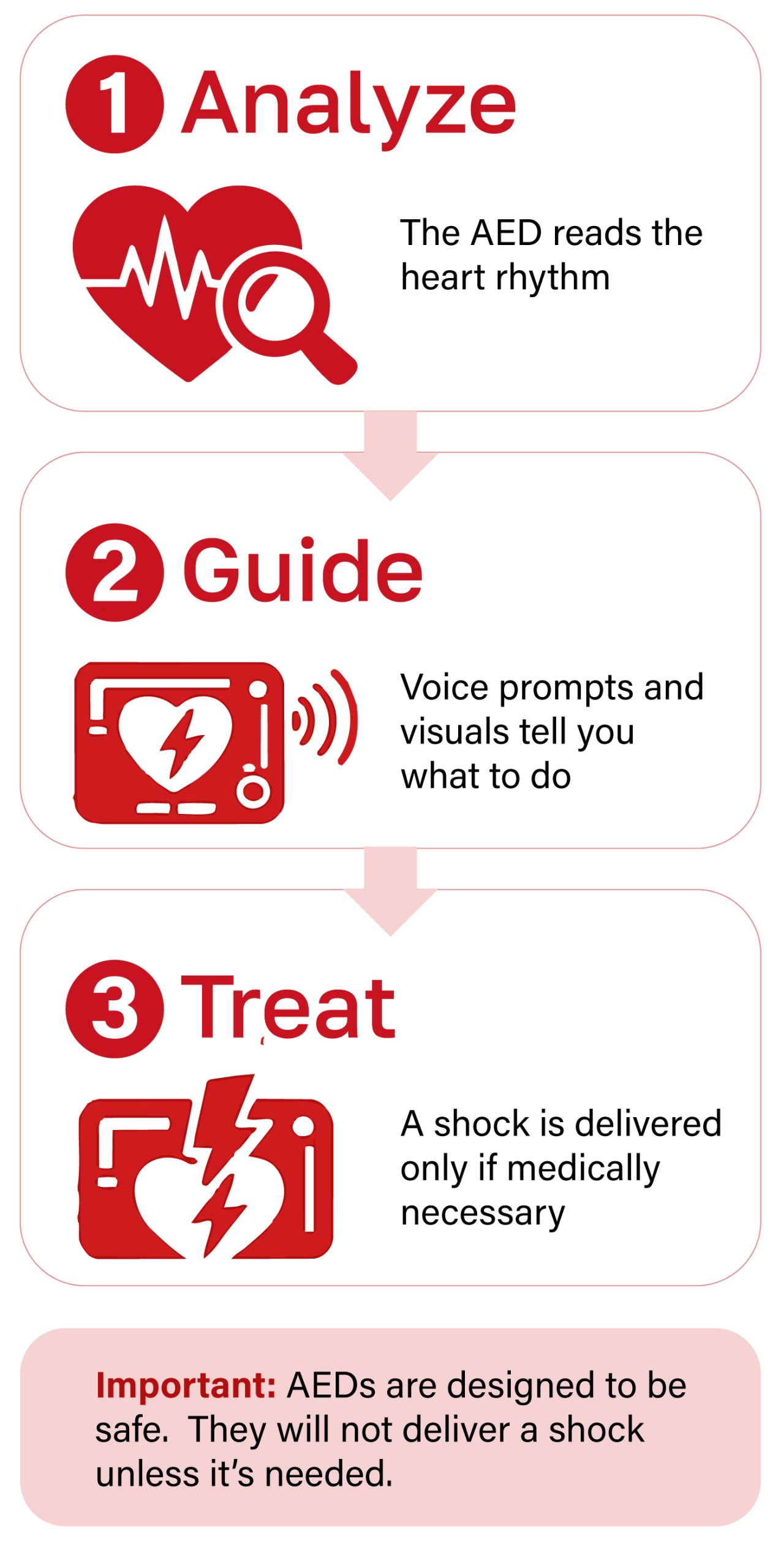
Clear voice prompts tell you exactly what to do, even without training.
Designed for Everyday People
AEDs will only deliver a shock if it’s medically necessary.
CPR + AED Is the Best Strategy
Together, they provide the strongest survival impact before help arrives.
Confidence you can count on at home
When and Why AEDs Matter
Sudden cardiac arrest can happen to anyone, anywhere—often without warning. When it happens, every minute matters. Having an AED nearby helps bystanders respond quickly while emergency services are on the way.
Gyms & fitness centers
High physical activity increases cardiac risk, making quick AED access especially important.
Schools & youth programs
AEDs help protect students, staff, and visitors during school and athletic activities.
Offices & workplaces
Prepared workplaces can respond faster to cardiac emergencies before first responders arrive.
At Home
A home AED adds an extra layer of preparedness, helping families feel confident and ready in an emergency.
Sports facilities & arenas
Crowds and intense activity make AEDs a critical part of emergency preparedness.
Apartment complexes
On-site AEDs support residents and guests in shared spaces where help may be moments away.
AED Education That Builds Confidence
An AED is designed to help anyone respond to sudden cardiac arrest with clear guidance and safe, proven technology. This page covers how AEDs work, basic maintenance, where they’re needed most, and key safety and compliance considerations.

How AEDs Work
An AED (Automated External Defibrillator) checks a person’s heart rhythm and gives step-by-step voice instructions. If a shock is needed, the AED will guide the rescuer through the process—helping restore a normal rhythm as quickly as possible.
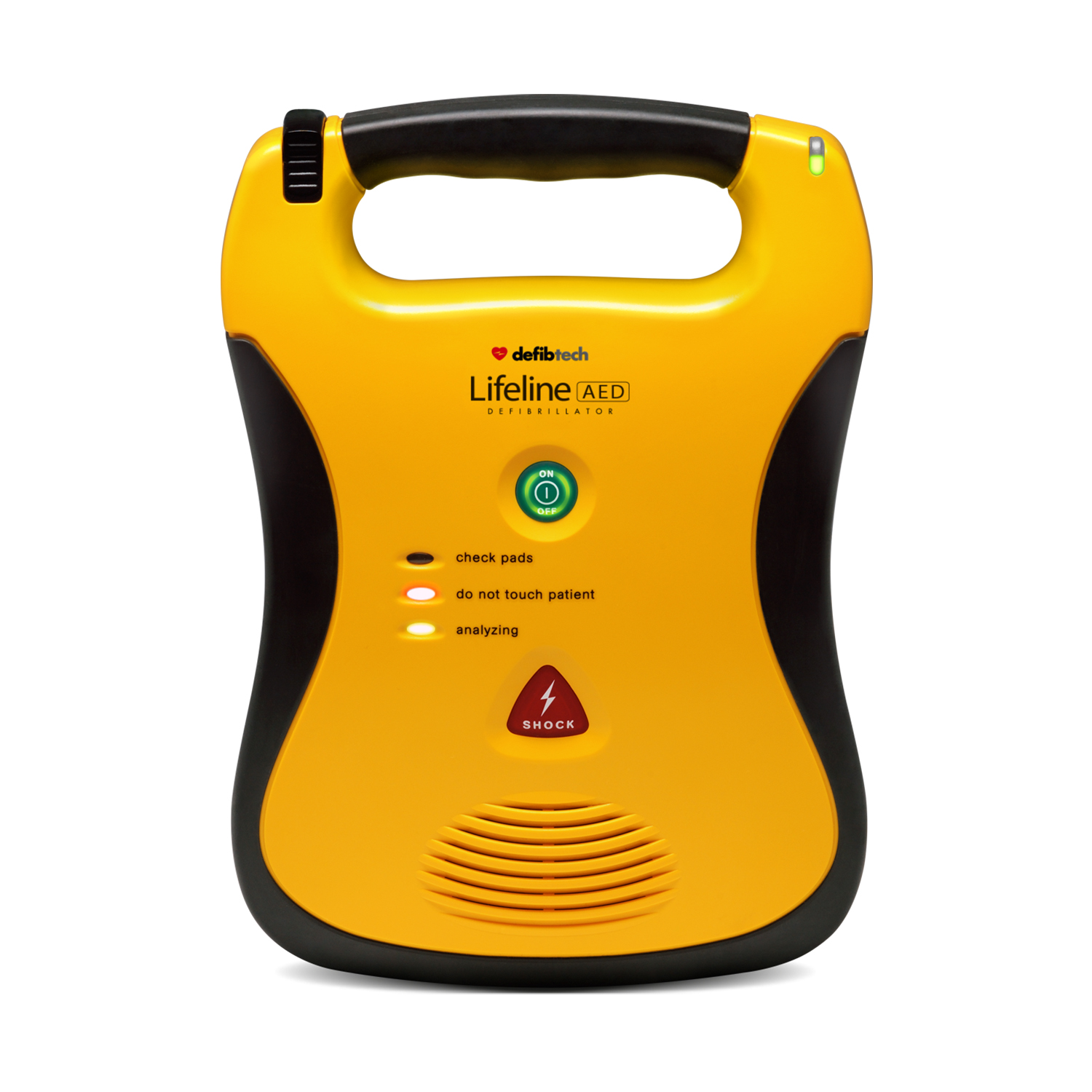
Every shared space is safer with an AED in place
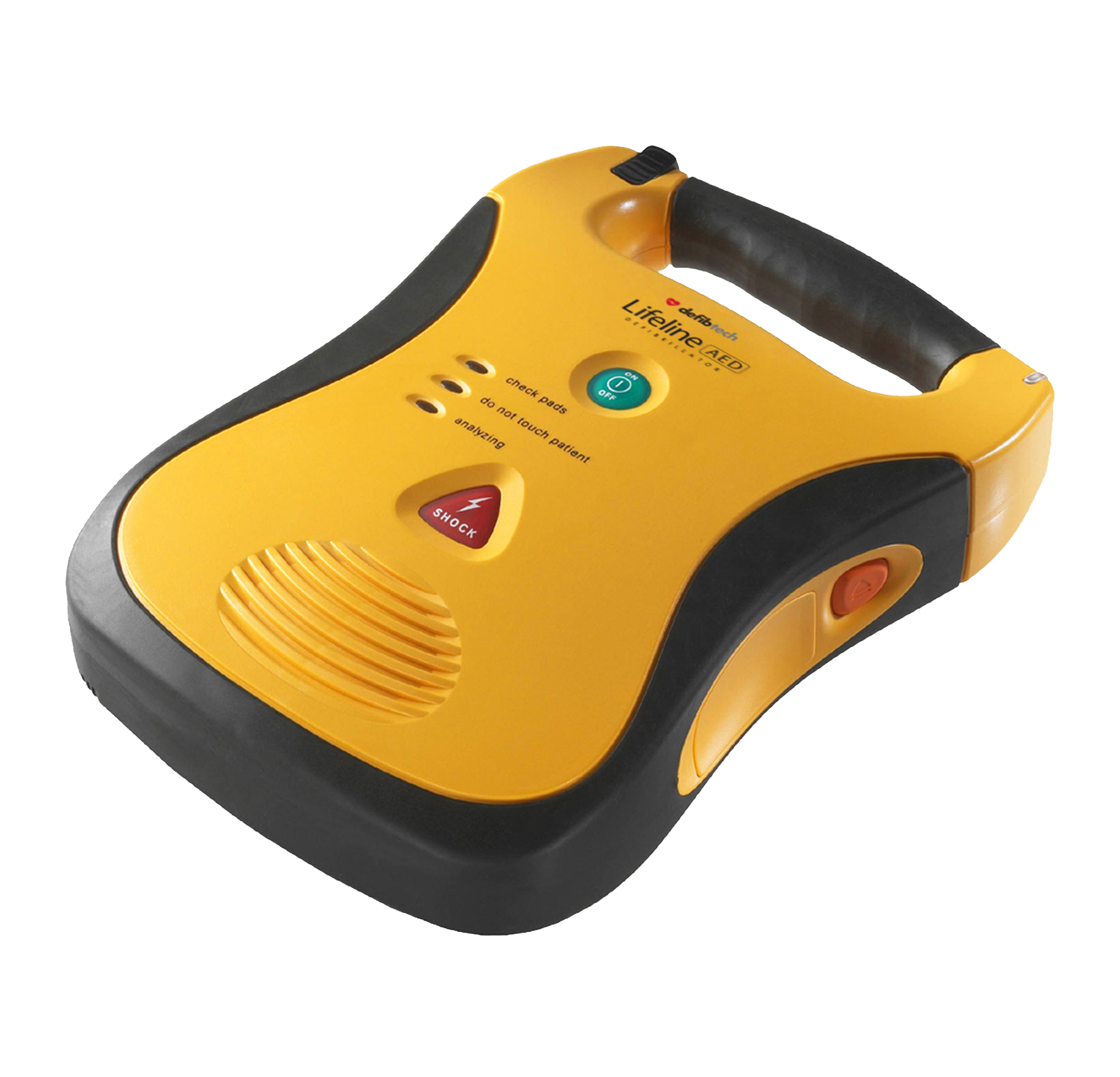
Maintenance Basics: Keep Your AED Ready
AED maintenance is straightforward, but it matters. The goal is simple: make sure the device is powered, pads are current, and the AED is ready at a moment’s notice.
- Check the status indicator (ready/not ready)
- Confirm pads and batteries aren’t expired
- Make sure the cabinet area stays accessible
- Schedule periodic visual checks (monthly is common)
- Track maintenance in a simple log
Safety & Compliance: What to Know
AED programs typically involve a few common best practices—like placement, accessibility, routine checks, and basic training. Requirements can vary by location and setting, but the goal is the same: make sure your AED is visible, maintained, and supported by a clear plan.
Compliance requirements can vary by state and organization type. Pulse AED can help you understand what applies to your location.
