
AED Maintenance Myths: What You Really Need to Know
AED Maintenance Myths: What You Really Need to Know

Separating common misconceptions from the simple steps that keep an AED ready
One of the most common concerns we hear is that AEDs are difficult to maintain. In reality, AED maintenance is straightforward—and understanding what’s truly required can help organizations feel more confident and prepared.
A common myth is that AEDs require frequent hands-on servicing. Modern AEDs are designed with built-in self-checks that monitor readiness automatically. Visual indicators alert users if attention is needed, helping ensure the device is ready when it matters most.
Another misconception is that maintenance is time-consuming. In most cases, routine checks involve simple visual inspections and keeping track of pad and battery expiration dates. With a clear plan in place, these tasks can be completed quickly and easily.
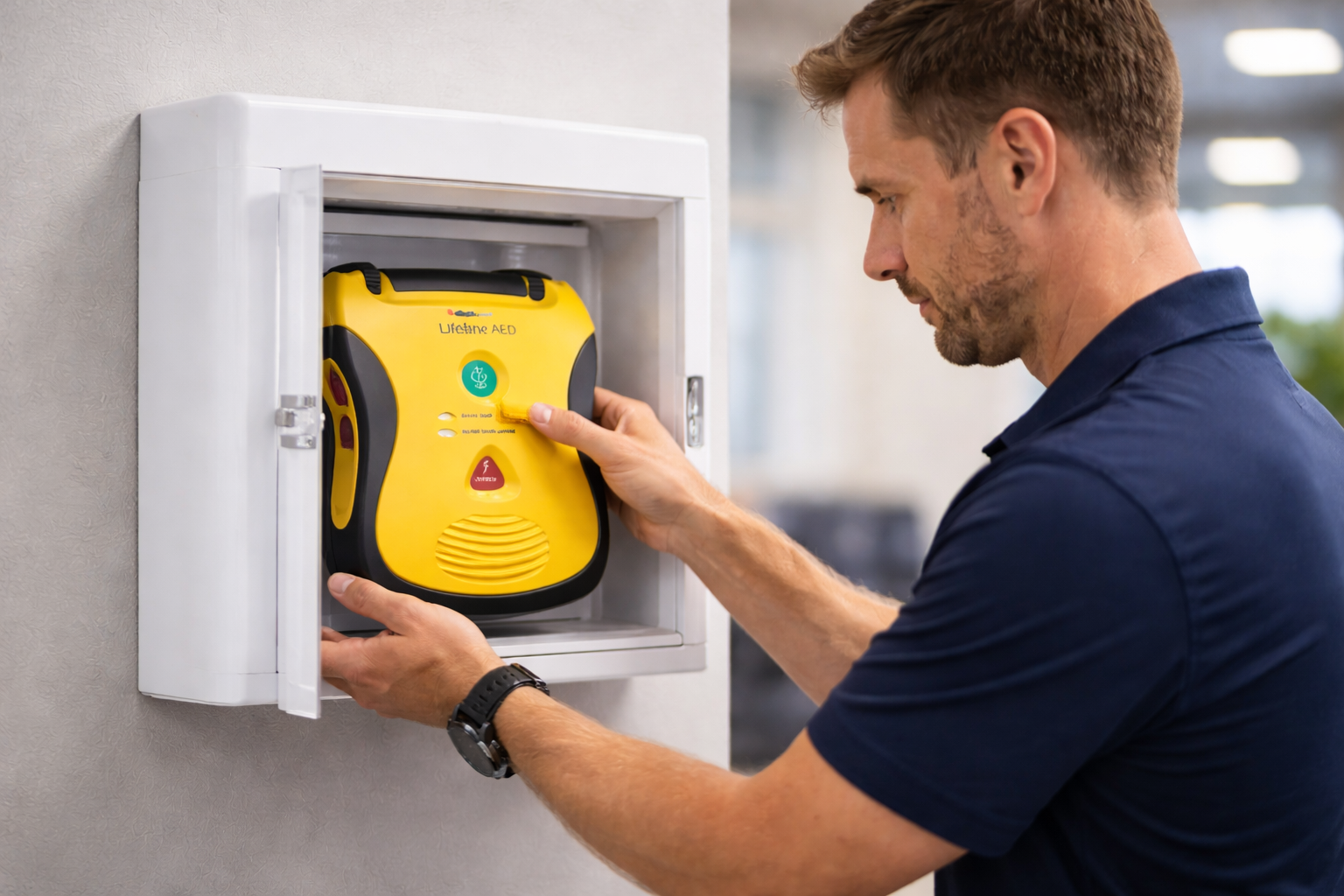
Some organizations also worry that responsibility for AED upkeep is unclear. The key is assigning ownership. When one person or team is responsible for monitoring readiness, maintenance becomes part of a predictable routine rather than an afterthought.
The most important truth about AED maintenance is this: consistency matters more than complexity. A well-maintained AED provides peace of mind, knowing the device will function properly if an emergency occurs.
At Pulse AED, we help simplify maintenance by providing guidance, reminders, and ongoing support—so readiness doesn’t depend on guesswork or memory.
